Marketing Agency: Our Promotional Methods Drive Consumer Engagement And Boost Sales
Marketing Strategies and Planning: A Development Process
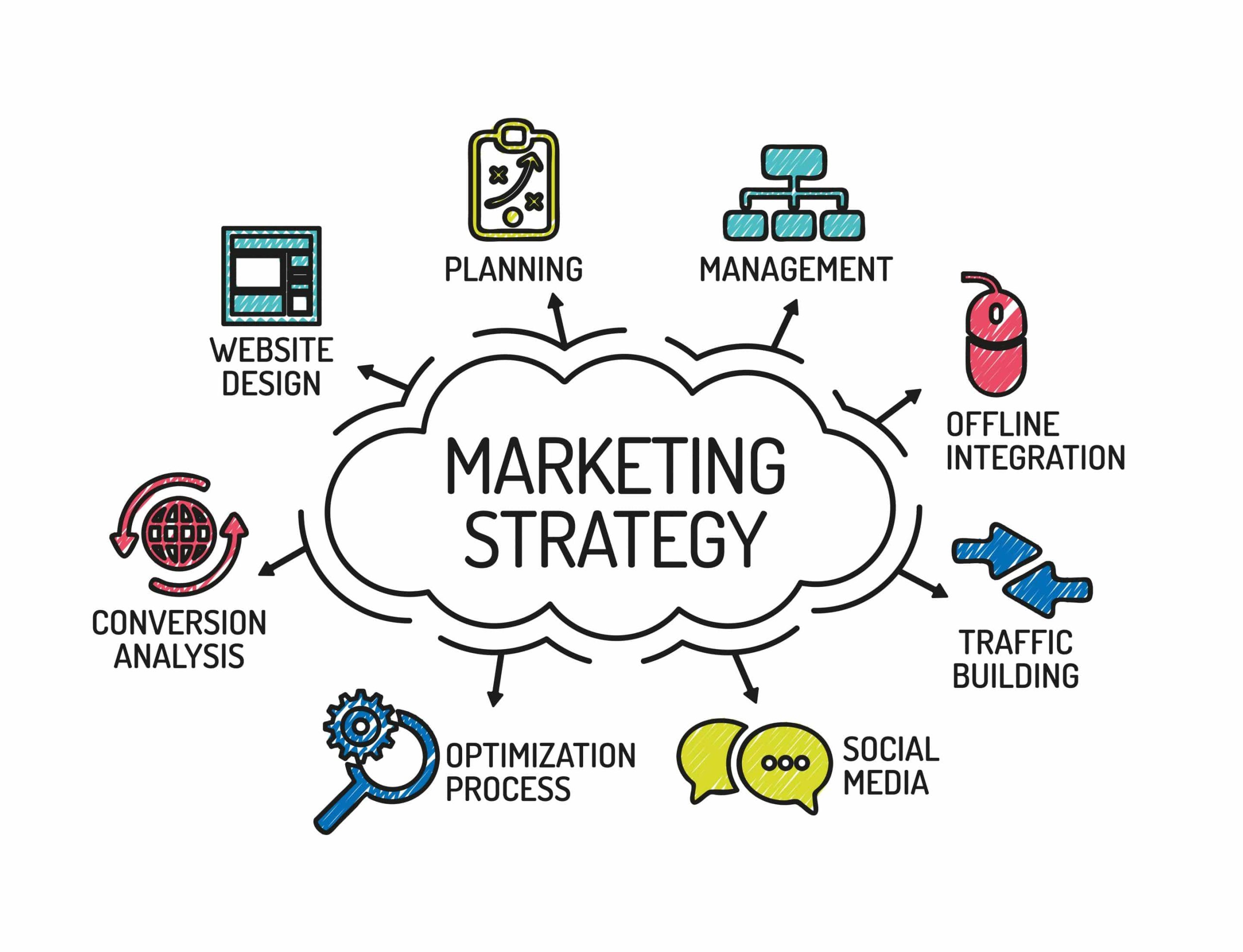
Ever feel like you're throwing spaghetti at the wall, hoping something sticks? That's typically what happens when marketing techniques aren't thoroughly prepared. A distinct development procedure is the backbone of any successful marketing initiative. It's about more than just imagination; it's about structure and foresight.
Laying the Structure: Research Study and Analysis
Before diving in, you require to understand the landscape. Who are you attempting to reach? What are their requirements? What are your rivals doing? Extensive marketing research is critical. I remember once, a company introduced an item without understanding their target market's preferences, and it tumbled miserably. Do not let that be you!
- Market analysis: Understand the marketplace size, growth rate, and patterns.
- Consumer profiling: Create in-depth personas of your ideal consumers.
- Competitive analysis: Determine your rivals, their strengths, and weak points.
:max_bytes(150000):strip_icc()/Marketing-recirc-blue-77cc4c488cf14d4686691e82219f80cf.jpg)
Setting Goals: What Do You Wish to Accomplish?
What are your goals? Increase brand awareness? Drive sales? Generate leads? Your objectives should be wise-- Specific, Measurable, Attainable, Pertinent, and Time-bound. I mean, what's the point of doing something if you do not understand what you're attempting to accomplish? It resembles setting sail without a destination in mind!
Crafting Your Method: The Roadmap to Success
This is where the magic occurs. Your method details how you'll accomplish your objectives. Will you focus on material marketing, social media, email marketing, or a combination? What's your special selling proposal? The secret is to distinguish yourself and use something important to your target audience. Is your strategy a well-paved roadway, or a rough track filled with more info holes? This will determine your success!
Here are some common marketing techniques:
- Material Marketing: Creating and dispersing important content to attract and engage your target audience.
- Social Network Marketing: Using social networks platforms to develop brand name awareness and connect with consumers.
- Email Marketing: Sending targeted e-mails to nurture leads and drive sales.
Implementation and Execution: Putting Strategies into Action
A dazzling strategy is ineffective without efficient application. Assign duties, set timelines, and allocate resources. Do not simply plan; do! This step can be the most tough, as it needs coordination, communication, and devotion.
Tracking and Assessment: Determining Your Results
Are your efforts settling? Track your crucial efficiency signs (KPIs) and analyze your outcomes. What's working? What's not? Be prepared to change your technique based upon your findings. This iterative procedure is essential for constant improvement. It's like checking the compass on a long journey to guarantee you're still headed in the best direction. Are you?
In the ever-evolving world of marketing, a robust preparation development procedure is not just a benefit; it's a need. By focusing on research, clear objectives, and adaptive strategies, you can browse the intricacies and attain lasting success.
Target Audience: Finding Your Marketing Sweet Area
Ever seem like you're screaming into deep space? That's what happens when your marketing misses its mark. It's not about reaching everybody; it has to do with connecting with the best individuals. Think of it like this: trying to sell snowboards in the Sahara. You may get a few curious onlookers, however you're not precisely going to corner the market. Why use up the energy? Rather, focus on where the snow falls and the snowboarders are already collecting. That focus is your target audience.
Why Sector? Preventing the Snowboard-in-the-Desert Scenario
Division is the art of dividing your possible consumer base into smaller, more manageable groups based upon shared characteristics. Imagine a Venn diagram-- each circle represents a sector, and the overlap is where the magic happens, where the most responsive clients reside. It's insufficient to know you're selling to "women." Are they Gen Z fashionistas or soccer mamas in their 40s with a fondness for natural groceries? The more granular you get, the more effective your messaging ends up being. So, rather of one-size-fits-all, you're crafting bespoke experiences. Consider it as tailoring a fit versus purchasing off the rack.
One of the most significant stumbles? Assuming your perfect client is just like you. As marketers, we fall prey to this all the time. We have actually all heard it "I like it so they need to like it". News Flash. That's ego talking, not data. Your personal preferences are unimportant. Let the market speak. Evaluate the information. Listen to what your existing clients are saying (and not stating) Discover the commonness, and then develop your segments around those findings. This is the way to avoid a costly misfire.
Tools of the Trade: Unveiling Your Perfect Customer
How do you actually do this? Start with information. Lots of it. Analytics platforms, client surveys, social media insights-- these are your treasure maps. Look for patterns. Are there age demographics that regularly convert? Geographic locations where your product resonates? Psychographic qualities that define your most faithful consumers?
- Demographics: Age, gender, earnings, education, profession
- Geographics: Location, climate, population density
- Psychographics: Way of life, worths, interests, mindsets
- Behavioral: Purchase history, product use, brand name loyalty
Don't hesitate to get creative. Sometimes, the most valuable insights come from unexpected places. Consider utilizing a method called "Jobs to Be Done." Rather of concentrating on the features of your item, think of what "job" your customer is employing it to do. Are they buying your software application to conserve time, lower tension, or impress their employer? Comprehending the underlying motivation can unlock new sections you never ever thought about. And keep in mind, this isn't a one-time workout. The marketplace evolves, therefore must your understanding of it. Regularly revisit your division technique to guarantee it stays appropriate and reliable, which your marketing dollars are being spent carefully.
Marketing Channels and Promotional Activities: A Deep Dive
Ever feel like your message vanishes into deep space? It's a typical dilemma. The marketing landscape is a sprawling, ever-shifting terrain. Picking the right marketing channels and marketing activities is not almost visibility; it has to do with resonance. Consider it as crafting a perfectly tuned instrument-- each string (channel) should vibrate in consistency to produce an engaging melody (campaign) But what happens when a string snaps, or worse, is never even strung?
Browsing the Channel Labyrinth
Selecting the proper channels is a strategic vital. Are you pursuing brand awareness, lead generation, or direct sales? The answer dictates your course. To illustrate, consider the tale of 2 projects: One, a meticulously crafted social media blitz that yielded zero conversions, and the other, a targeted email sequence that led to a rise of excited clients. The difference? Positioning. The email project spoke directly to a pre-qualified audience already interested in the offering.
Marketing Activities: More Than Just Sound
Promotional activities are the lifeblood of any marketing method. Sales promotions, public relations, and material marketing are all practical alternatives. What occurs when your content marketing efforts are disregarded? This often stems from a lack of worth. Are you supplying authentic insights and options, or just relaying self-serving ads? The key is to end up being a relied on consultant, not a relentless peddler.
- Material Marketing: Provide value through useful and appealing material.
- Social Media Marketing: Engage with your audience and develop a neighborhood.
- Email Marketing: Nurture leads and drive conversions.
- Browse Engine Optimization (SEO): Enhance your website's visibility in search results.
Typical Mistakes and Expert Insights
Among the biggest problems organizations face is stopping working to adjust to market fluctuations. Think of releasing a product with a memorable slogan, just to discover that a significant cultural shift renders it tone-deaf and offending. Staying nimble and responsive is vital. Regular analysis of campaign performance is also necessary. Are your efforts yielding the preferred outcomes? If not, do not hesitate to pivot. The only constant in marketing is change.
Another frequent oversight is overlooking client segmentation. Trying to appeal to everyone belongs to yelling into the wind. Determine your ideal customer and customize your messaging accordingly. This needs a deep understanding of their requirements, desires, and behaviors. By focusing your efforts on a particular target audience, you can maximize your effect and reduce wasted resources.
Ultimately, effective marketing depend upon a blend of strategic preparation, creative execution, and unwavering adaptation. By understanding the subtleties of various marketing channels and advertising activities, you can craft a campaign that resonates with your target market and drives concrete results.
Market Research and Competitive Analysis
Ever seem like you're roaming in the dark, looking for a light switch that simply won't flip on? That's how introducing a marketing campaign without solid market research feels. It's like baking a cake without a dish-- you might wind up with something edible, however possibilities are it will not be a work of art. How do you illuminate your path?
Unveiling the Landscape: Market Research Strategies
Marketing research isn't practically gathering data; it has to do with understanding the very heart beat of your target market. Believe of it as ending up being a detective, piecing together ideas to solve the mystery of what your possible consumers truly want. Are they yearning benefit? Sustainability? Or possibly a touch of fond memories? You need to know. One typically overlooked element is psychographic segmentation. It's insufficient to know their age or earnings; you require to understand their values, way of life, and aspirations. What makes them tick?
One expert idea? Don't rely exclusively on surveys. Observe real-world habits. If launching a brand-new line of environment-friendly items, invest time in farmers' markets or natural grocery shops. Talk to individuals, observe their acquiring routines, and get a feel for their genuine concerns.
Sizing Up the Competition: Competitive Analysis
Now, let's discuss your competitors. Neglecting them resembles entering a boxing ring with your eyes closed. A competitive analysis involves determining your competitors and assessing their methods to determine their strengths and weaknesses relative to your own. It's not about copying them; it has to do with recognizing opportunities to distinguish yourself and take your specific niche. Have you ever observed how some coffee bar thrive best beside a Starbucks? It's because they have actually identified a particular market section that Starbucks isn't completely serving, like a preference for in your area sourced beans or a cozy, intimate atmosphere.
The most significant pitfall with competitive analysis isn't the absence of information but rather a failure to act upon it. All the spreadsheets and charts in the world will not assist if you don't equate those insights into concrete actions. And remember the significance of looking beyond direct competitors. Think about indirect rivals too. Who else is competing for your target audience's attention and spending plan?
- Identify Key Rivals: Who are they, and what are their market shares?
- Evaluate Their Marketing Methods: What channels are they utilizing? What's their messaging?
- Evaluate Their Strengths and Weak points: What are they excellent at, and where are they lacking?
- Discover Opportunities for Distinction: How can you stand apart from the crowd?
Remember, the marketing landscape is ever-evolving. Continuous tracking and adaptation are important for long-term success. By accepting both marketing research and competitive analysis, you can navigate the intricacies of the market and position yourself for continual development.